November 5, 2026
Owning a European vehicle often means enjoying responsive handling, refined engineering, and advanced technology. Keeping those qualities intact requires more than reacting to warning lights. Preventive maintenance helps drivers recognize early signs of wear, protect expensive components, and maintain dependable performance through changing road conditions. It also helps address concerns before they become major repairs.
Because European manufacturers frequently use model-specific components, specialized fluids, and integrated electronic systems, maintenance decisions should reflect the vehicle's particular design. A service schedule that works for one model may not fit another, even when the vehicles are similar in age. European auto repair supports a more deliberate approach by combining routine inspections with diagnostic information and the manufacturer's maintenance specifications. Understanding the areas that deserve regular attention can help owners plan service confidently and avoid unnecessary disruptions.
Following Manufacturer Maintenance Schedules
A maintenance schedule provides a practical starting point for preventive care. Manufacturers typically identify recommended intervals for oil changes, filter replacements, brake fluid service, spark plugs, and other items. Those intervals may depend on mileage, time, driving habits, or information collected by the vehicle's onboard systems. Owners should consult their maintenance documentation rather than assume every European model follows the same timetable.
Driving conditions also matter. Repeated short trips, heavy traffic, extreme temperatures, and extended periods of inactivity can influence how quickly components deteriorate. During European auto repair appointments, technicians can compare service records with the vehicle's current mileage and operating conditions. This makes it easier to identify overdue maintenance without replacing parts that remain within their recommended service life.
Keeping dated invoices and a clear maintenance history also helps drivers coordinate future appointments. Records reduce duplicated work and give technicians context for recurring symptoms.
Monitoring Engine and Fluid Conditions
Engine oil, coolant, and other essential fluids help protect components that operate under considerable heat and pressure. Using the correct specifications matters because fluid formulations can vary across manufacturers, engines, and model years. Choosing an oil solely by viscosity, for example, may overlook an approval required for a particular engine.
Routine inspections can identify leaks, low fluid levels, damaged hoses, or contamination before these conditions develop into more serious problems. Technicians may also check the cooling system, belts, and surrounding components for evidence of wear. An unusual smell, visible residue beneath the vehicle, or rising operating temperature deserves attention even when the vehicle still drives normally.
European auto repair can include checking fluid condition alongside manufacturer-specific service requirements. This approach helps preserve lubrication and cooling performance while avoiding assumptions based on generic maintenance guidelines. Drivers should also report changes in engine sound or performance, since details about when a symptom occurs can improve diagnosis.
Protecting Transmission and Drivetrain Components
A vehicle's transmission and drivetrain transfer engine power to the wheels, making their condition central to smooth operation. Different European models may use automatic, manual, dual-clutch, or other transmission designs with distinct service needs. Fluid requirements, inspection procedures, and recommended intervals should therefore be verified for the actual vehicle.
During a preventive inspection, technicians may look for fluid seepage, damaged mounts, worn joints, and signs of unusual vibration. A delay when shifting, unexpected hesitation, or a new noise under acceleration can signal a developing concern. Identifying the cause promptly may limit additional wear, although not every symptom indicates an imminent component failure.
European auto repair also helps owners distinguish between normal operating characteristics and changes that merit closer investigation. Providing technicians with details about speed, temperature, and driving conditions can make these inspections more productive. Consistent attention to drivetrain components supports predictable performance and reduces the chance of being surprised by avoidable service needs.
Inspecting Brakes, Tires, and Suspension
Preventive maintenance should address the systems that affect stopping, steering, and road contact. Brake pads and rotors wear gradually, while brake fluid can absorb moisture over time. Tire pressure, tread depth, and alignment also influence traction and handling. These checks are especially important when road surfaces change with the seasons.
Suspension components deserve attention because worn bushings, shocks, or joints can affect comfort and vehicle control. Drivers may first notice uneven tire wear, pulling to one side, or noises when traveling over bumps. A technician can evaluate these symptoms alongside the condition of related parts instead of treating each concern separately.
Through European auto repair, technicians can use vehicle-specific inspection procedures and appropriate replacement components. Regular evaluations help owners prioritize safety-related issues while planning for normal wear. They also provide a chance to correct tire pressure or alignment concerns before premature wear increases the cost of ownership.
Diagnosing Electronic Systems Early
Modern European vehicles rely on electronics to manage engine operation, braking assistance, climate control, and many other functions. Warning lights and stored diagnostic codes can provide valuable clues, but a code alone does not establish which part needs replacement. Accurate diagnosis often requires checking related components, reviewing live data, and confirming that a suspected fault explains the symptoms.
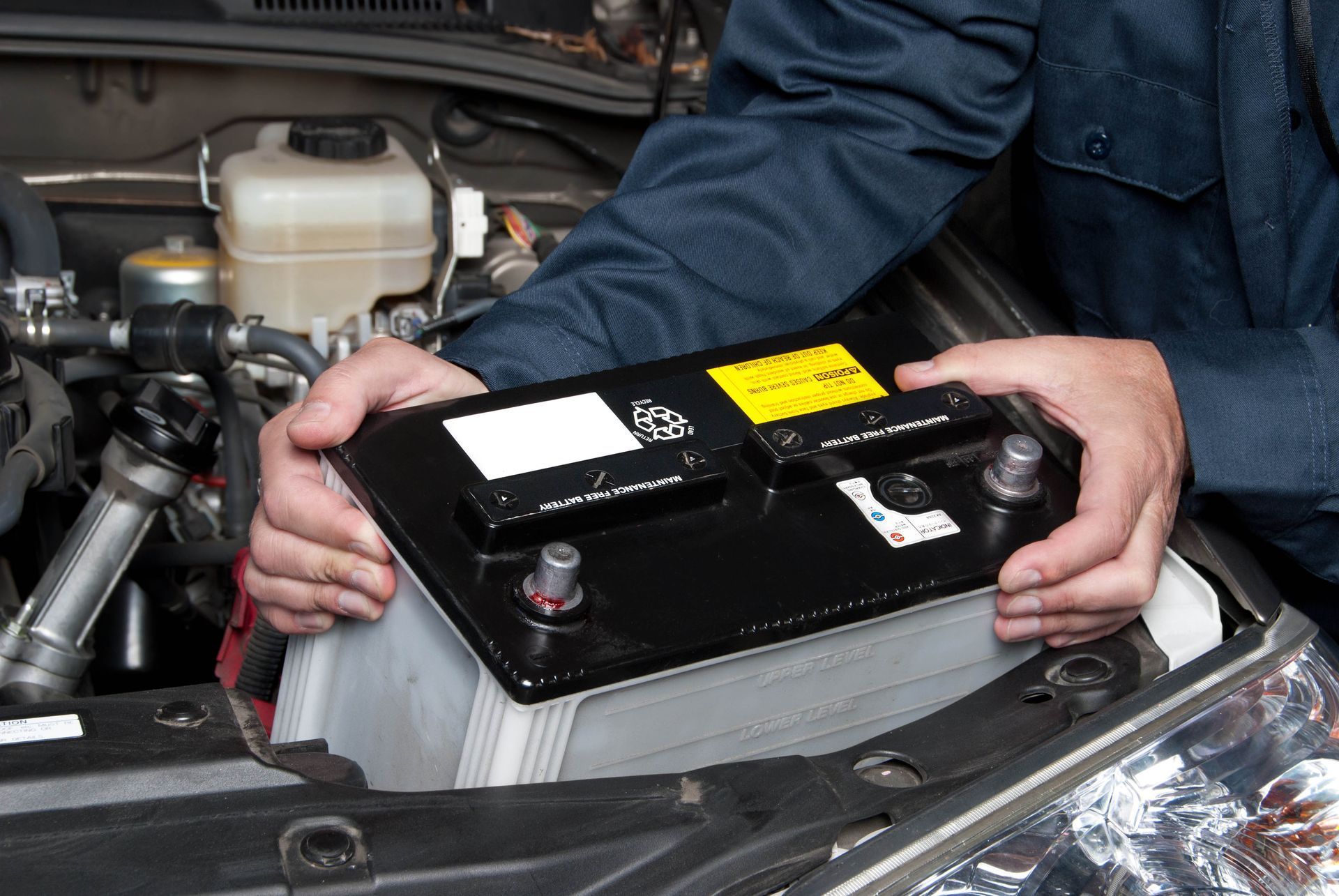
Routine visits offer opportunities to identify software updates, inspect batteries, and assess charging-system health. Low voltage may cause confusing electronic behavior, making battery condition relevant beyond starting the engine. Owners should describe intermittent warnings rather than dismiss them when the lights disappear before an appointment.
European auto repair technicians familiar with manufacturer-specific diagnostic systems can interpret findings within the context of the vehicle's design. Early investigation may prevent an electrical issue from interfering with other systems. Careful diagnosis can also prevent unnecessary parts replacement.
Reviewing Imported Vehicle Requirements
Some European vehicles in the United States were originally manufactured for another market. Their specifications, equipment, and service documentation may differ from versions sold domestically. Owners of these vehicles should confirm the correct parts, maintenance procedures, and applicable regulatory requirements instead of assuming all versions of a model are interchangeable.
Import compliance is a separate matter from ordinary maintenance, but it illustrates why vehicle-specific knowledge matters. According to the National Highway Traffic Safety Administration, Registered Importers must complete required modifications to nonconforming foreign vehicles within 120 days to bring them into compliance with applicable U.S. Federal Motor Vehicle Safety Standards. These rules apply to qualifying import situations, not every European-branded vehicle receiving routine service.
A European auto repair provider can review available vehicle information when planning preventive work. When an imported vehicle raises questions about federal certification or required modifications, owners should consult an authorized Registered Importer rather than assume a routine repair shop performs that specialized role.
Planning Long-Term Maintenance Costs
Preventive service works best when it becomes part of a realistic ownership budget. Owners can use inspection findings, mileage, and maintenance records to anticipate upcoming work. Separating urgent repairs from routine replacements helps prevent a long service estimate from becoming an overwhelming list of unrelated expenses.
A useful plan might account for seasonal tire inspections, future brake service, fluid replacements, and components that are approaching their expected service intervals. Asking for written recommendations and explanations of inspection results makes it easier to understand what should happen immediately and what can be monitored. Maintenance expenses cannot be eliminated, but they can often be managed more deliberately. Clear priorities make it easier to prepare financially without postponing work that affects vehicle safety.
European auto repair is most valuable when each appointment contributes to a clearer picture of the vehicle's condition. Consistent records, thoughtful inspections, and timely follow-up help drivers protect their investment while preserving the driving experience they enjoy. Call Bimmer Repair today to schedule your European auto repair service.